

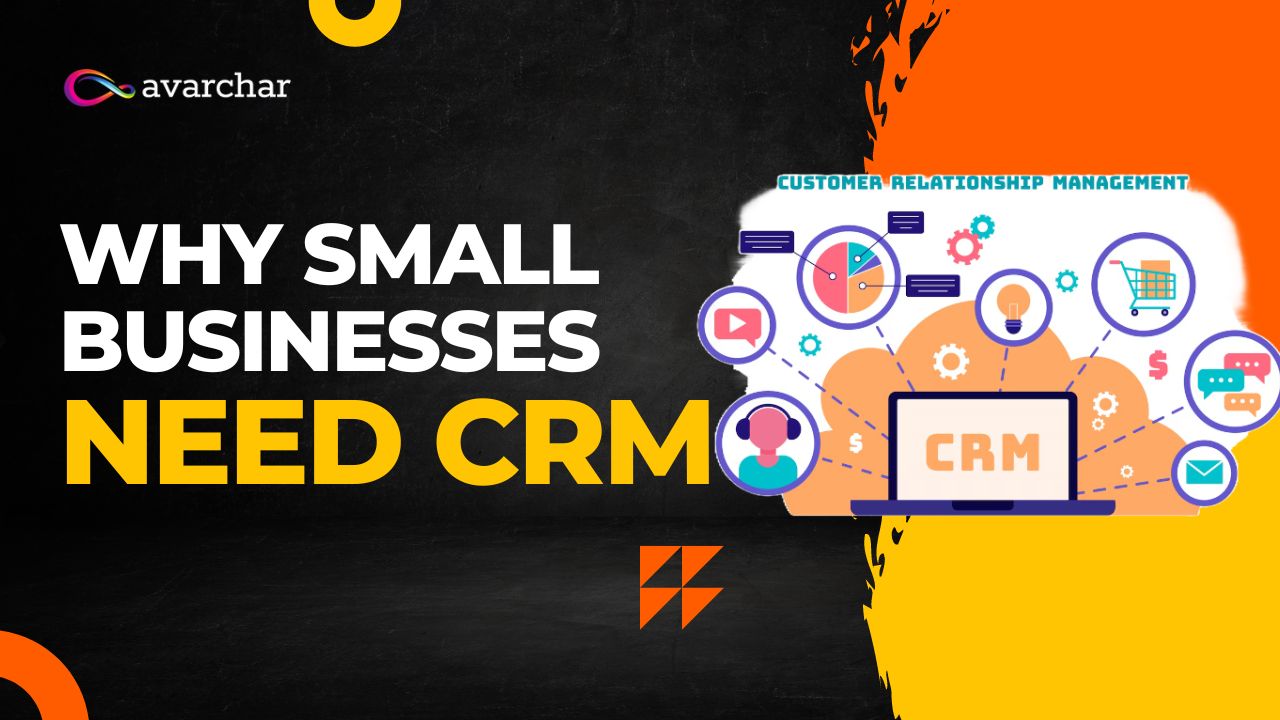



Case Study: Increasing Sales Conversion by 42% Through Structured Zoho CRM Implementation
Case Study: Increasing Sales Conversion by 42% Through Structured Zoho CRM Implementation
Client Overview
A mid-sized B2B services company operating across multiple regions was experiencing stagnant sales growth despite increasing marketing spend. The organization had 18 sales representatives and a growing inbound lead volume, but conversion rates remained inconsistent.
The Challenge
The company faced several structural issues:
- Leads were tracked in spreadsheets and emails
- Follow-ups were inconsistent and often delayed
- Sales stages were unclear and not standardized
- Reporting required manual data compilation
- Management lacked real-time visibility into pipeline health
As a result:
- Sales cycle averaged 68 days
- Lead-to-deal conversion rate was only 18%
- Forecast accuracy was below 55%
The company needed a centralized system that would improve visibility, automation, and accountability.
The Strategy
We designed and implemented a structured Zoho CRM solution with a phased approach.
Phase 1: Sales Process Mapping
We conducted workshops with leadership and sales teams to:
- Define standardized deal stages
- Identify drop-off points
- Map qualification criteria
- Document follow-up timelines
Phase 2: CRM Customization
The Zoho CRM was customized to reflect the actual sales workflow:
- Custom pipeline stages
- Automated task reminders
- Email and call logging
- Lead scoring models
- Role-based access control
Phase 3: Automation Implementation
Automation rules were configured to:
- Trigger follow-up emails
- Assign leads based on region
- Notify managers of stalled deals
- Schedule automated check-ins
Phase 4: Reporting & Dashboards
We built real-time dashboards for:
- Pipeline value tracking
- Conversion rate analysis
- Sales rep performance
- Revenue forecasting
Measurable Results (Within 6 Months)
After implementation, the results were measurable and sustained:
- 42% increase in lead-to-deal conversion
- Sales cycle reduced from 68 days to 46 days
- Forecast accuracy improved to 87%
- 28% increase in overall revenue
- 35% improvement in follow-up compliance
Sales representatives reported higher productivity due to automated reminders and structured workflows.
Long-Term Impact
The company now benefits from:
- Scalable CRM architecture
- Data-driven decision-making
- Transparent performance metrics
- Improved team accountability
Zoho CRM shifted from being a tracking tool to becoming a strategic revenue engine.
Key Takeaways
- CRM customization must align with actual workflows
- Automation eliminates follow-up gaps
- Real-time dashboards improve management visibility
- Structured implementation drives measurable revenue growth
The transformation demonstrated that CRM success depends on strategy—not just software installation.
Copyright © Avarchar Technologies. All Rights Reserved.